
Choosing Your Campsite Wisely
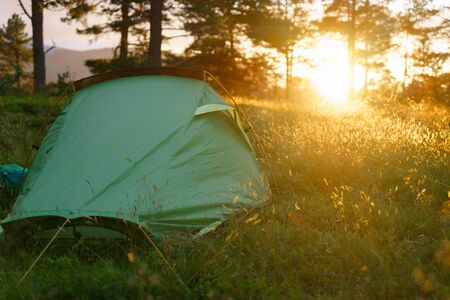
Setting up a low-impact campsite begins with selecting the right spot. Look for established campsites or areas that show signs of previous use, such as compacted soil or clear ground. By choosing a durable surface like gravel, dry grass, or bare earth, you help protect fragile vegetation and minimize your impact on the ecosystem. Avoid camping near streams, lakes, or meadows—these sensitive environments are easily damaged and vital to local wildlife. Instead, pitch your tent at least 200 feet from water sources, respecting both nature and other campers’ need for clean water. Taking time to assess the terrain and select a responsible location is the first step in living out Leave No Trace principles in every outdoor adventure.
Setting Up With Minimal Impact
When creating your campsite, every decision matters. Setting up with minimal impact means respecting the land, wildlife, and future campers. Here are practical tips to help you pitch tents, arrange cooking areas, and use existing spaces while preserving the natural beauty around you.
Pitching Your Tent Thoughtfully
Always choose established campsites when available. If you must set up in a new area, look for durable surfaces like gravel, dry grass, or sand—avoid fragile vegetation and soft soil. Keep your tent at least 200 feet away from lakes and streams to protect riparian zones and local wildlife.
Tent Setup Tips
| Do | Don’t |
|---|---|
| Use existing clearings | Create new campsites |
| Stake tents on durable ground | Trample plants or moss |
| Camp away from water sources | Disturb animal trails or nests |
Arranging Cooking Areas Smartly
Keep cooking areas compact and efficient. Set up your kitchen on hard surfaces like rock or packed earth. Use a portable camp stove instead of building a fire pit whenever possible—this minimizes scars on the landscape and reduces wildfire risk.
Cooking Area Checklist
- Select flat, stable ground for stoves or grills
- Avoid placing food near tents to deter wildlife
- Utilize bear boxes or hang food if required by local rules
- Pack out all trash and food scraps—leave nothing behind
Using Existing Spaces Wisely
The best way to minimize your impact is to blend into what’s already there. Stick to designated trails and campsites. Avoid expanding sites by keeping gear organized and contained within established boundaries. Encourage others in your group to do the same—preservation is a shared effort.
3. Campfire Alternatives and Safe Practices
Embracing low-impact camping means rethinking the traditional campfire. Instead of building a fire, consider eco-friendly cooking and lighting options like portable stoves, LED lanterns, or solar-powered lights. These alternatives reduce your campsite’s footprint and minimize damage to natural surroundings. If you’re in an area where fires are permitted, follow all local regulations and only use established fire rings. Keep fires small and manageable, use only dead and downed wood, and never leave a fire unattended. Before leaving your site, ensure the fire is completely out—douse with water, stir ashes, and repeat until everything is cool to the touch. By choosing responsible campfire practices or skipping the flames altogether, you help protect wild spaces for future adventurers.
Respecting Wildlife and Natural Resources
When setting up a low-impact campsite, respecting the local wildlife and natural resources is essential. Our actions can either support or disrupt delicate ecosystems. The Leave No Trace principles guide us to minimize our impact while enjoying the outdoors.
Food Storage: Protecting Animals and Yourself
Wildlife may be curious, but human food is not meant for them. Improper food storage can lead to animals losing their natural foraging habits, becoming dependent on campsites, or even endangering both themselves and people. Always use bear-resistant containers or hang your food at least 10 feet off the ground and 4 feet away from tree trunks. Never leave snacks out in the open or inside your tent.
Food Storage Methods Comparison
| Method | Best For | Effectiveness |
|---|---|---|
| Bear Canister | Bears, rodents | High (approved in many parks) |
| Hanging Food Bag | Small mammals, raccoons | Moderate (requires proper technique) |
| Food Locker (provided at some sites) | Bears, all wildlife | Very High (convenient and secure) |
Waste Disposal: Keeping Nature Pristine
Pack out all trash, leftover food, and litter—what you bring in must go out. Use biodegradable soap sparingly and wash dishes at least 200 feet away from lakes and streams. Human waste should be disposed of in a cathole 6-8 inches deep or packed out if required by local regulations.
Wildlife Interaction: Observe, Dont Disturb
The best way to enjoy wildlife is from a distance. Avoid feeding animals, as this alters their natural behaviors and puts them at risk. Keep pets leashed to protect native species. If you encounter wildlife on the trail or in camp, remain calm and give them plenty of space to continue their routines undisturbed.
Quick Tips for Respectful Wildlife Encounters:
- Store food properly at all times.
- Never feed wild animals.
- Observe quietly from afar using binoculars if needed.
- Stay on designated trails to avoid trampling habitats.
- Educate others about the importance of leaving nature as you found it.
By understanding how to store food, dispose of waste responsibly, and interact with wildlife respectfully, you help ensure that natural places remain wild and beautiful for generations to come.
5. Pack It In, Pack It Out
One of the most vital steps in creating a low-impact campsite is managing your trash and personal belongings with intention. The “Pack It In, Pack It Out” principle is simple: whatever you bring with you, take it all home. This approach ensures that nature remains untouched for the next visitor and local wildlife.
Mindful Packing and Storage
Start by planning ahead. Choose reusable containers and bags to minimize waste. Store food in sealable bins to prevent spills and keep animals at bay. Keep all your items organized so nothing gets left behind by accident.
Effective Trash Management
Designate a specific bag or container for your trash. Line it with a sturdy garbage bag, and make sure it is secured so wind or animals can’t scatter the contents. Always check your entire site—including under logs and rocks—for micro-trash like food wrappers, twist ties, or bottle caps before leaving.
Leave No Trace for Others
Before departing, do a final sweep of your campsite. Look for any forgotten gear, bits of food, or even small pieces of litter. By taking everything back with you, you preserve the pristine beauty of the outdoors for others to enjoy. Leave only footprints—nothing more.
6. Engaging in Quiet, Mindful Recreation
Embracing low-impact activities is at the heart of a responsible campsite setup. Choose gentle recreation like hiking, birdwatching, sketching, or simply enjoying the stillness of nature. These pursuits invite you to slow down and observe, fostering a deeper connection with the landscape while ensuring minimal disturbance to wildlife and fellow campers.
Mindful Movement and Presence
Move quietly through your surroundings—soft footsteps on trails, hushed voices around camp, and electronics set to silent. This not only preserves the peace for others but also helps you tune into subtle sounds of the wild, from rustling leaves to distant bird calls. Mindfulness encourages respect for both the environment and the shared outdoor experience.
Leave No Trace Through Recreation
By choosing non-intrusive activities, you’re living out Leave No Trace principles every moment. Avoid loud music or group games that could disrupt habitats or encroach on another camper’s solitude. Instead, seek out experiences that leave no mark: read under a tree, meditate by the water, or practice photography without disturbing plants or animals.
Cultivating Stewardship
Your approach to recreation can inspire others. When you lead by example—quietly enjoying nature and minimizing your impact—you help set a tone of care and respect at the campsite. Encourage your friends or family to try new low-impact hobbies and share moments of awe together. In this way, mindful recreation becomes both a personal practice and a ripple effect, helping preserve America’s wild places for future generations.